Walk into any gym today, browse fitness forums, or spend a few minutes researching sports nutrition online, and you'll quickly notice one thing—whey protein isolate has become one of the most discussed supplements in the fitness industry.
Yet despite its popularity, many people still struggle to answer some basic questions.
What exactly is whey protein isolate?
Is it different from regular whey protein?
Who should use it?
And perhaps most importantly, how do you identify the best whey protein isolate in India when dozens of brands claim to offer the same benefits?
These questions are valid because buying a protein supplement isn't simply about choosing a popular product. The right protein should align with your fitness goals, dietary preferences, training intensity, and overall nutrition strategy.
Whether you're a beginner looking to support your first muscle-building program, an athlete focused on recovery, or someone trying to increase daily protein intake, understanding whey protein isolate can help you make a smarter investment in your health and performance. Before you buy whey protein isolate, it's important to understand how different protein formulations support different fitness goals and nutritional requirements.
This guide breaks down everything you need to know before you buy whey protein isolate, including how it's made, how it compares to other protein sources, and what factors actually matter when evaluating product quality.
What Is Whey Protein Isolate?
Whey protein isolate is a highly refined form of whey protein derived from milk.
During cheese production, milk separates into two components:
- Curds
- Whey
The liquid whey portion contains protein, lactose, minerals, and small amounts of fat. Through advanced filtration processes, manufacturers concentrate and purify this liquid whey to create different forms of whey protein.
Whey protein isolate undergoes additional filtration compared to standard whey protein concentrate. This process removes a larger percentage of carbohydrates, lactose, and fat while increasing the proportion of protein in each serving.
As a result, whey isolate is generally characterized by:
- Higher protein concentration
- Lower fat content
- Lower carbohydrate content
- Reduced lactose levels
- Faster digestion and absorption
One of the primary reasons whey protein isolate is widely used in sports nutrition is its complete amino acid profile.
It contains all nine essential amino acids that the human body cannot produce on its own and must obtain through diet.
Research published in the Journal of the International Society of Sports Nutrition has consistently highlighted the role of high-quality protein sources in supporting muscle protein synthesis and exercise recovery when combined with resistance training and appropriate nutrition.
|
Feature |
Whey Concentrate |
Whey Isolate |
Protein % |
Moderate |
Higher |
Fat Content |
Higher |
Lower |
Carbohydrates |
Higher |
Lower |
Lactose |
More |
Less |
Muscle Gain |
Excellent |
Excellent |
Lean Muscle Goals |
Good |
Excellent |
Calorie Conscious Users |
Good |
Better |
Why Is Whey Protein Considered a High-Quality Protein?
Not all protein sources are equal.
Some protein sources lack one or more essential amino acids, while others may have lower digestibility or reduced bioavailability.
Whey protein stands out because it provides:
Complete Amino Acid Profile
A complete protein contains all essential amino acids in sufficient quantities.
These amino acids are required for:
- Muscle repair
- Tissue maintenance
- Recovery processes
- Various metabolic functions
High Leucine Content
Leucine is one of the branched-chain amino acids (BCAAs) naturally present in whey protein.
Scientific literature frequently identifies leucine as an important amino acid involved in muscle protein synthesis signaling pathways.
This is one reason whey protein continues to be widely used among strength athletes and recreational lifters.
Excellent Digestibility
Another advantage of whey protein is its digestibility.
Compared with many alternative protein sources, whey protein is efficiently digested and absorbed, making it a practical choice for individuals looking for convenient protein supplementation.
How Whey Protein Isolate Is Made
Many consumers focus entirely on protein percentages without understanding how whey protein isolate is actually produced.
The manufacturing process plays a significant role in determining quality.
Step 1: Whey Collection
The process begins when milk is used to produce cheese.
As the milk coagulates, liquid whey separates from the curds.
Step 2: Filtration
The liquid whey contains:
- Protein
- Lactose
- Fat
- Minerals
- Water
Manufacturers then use filtration technologies to separate protein from other components.
Step 3: Advanced Purification
To produce whey protein isolate, additional filtration methods are applied.
These processes remove more lactose, fat, and carbohydrates than standard whey concentrate production.
Step 4: Drying and Processing
The purified protein solution is dried into powder form.
Flavoring systems and other approved ingredients may then be incorporated depending on the final product formulation.
The result is a whey protein powder with a higher percentage of protein and a leaner nutritional profile.
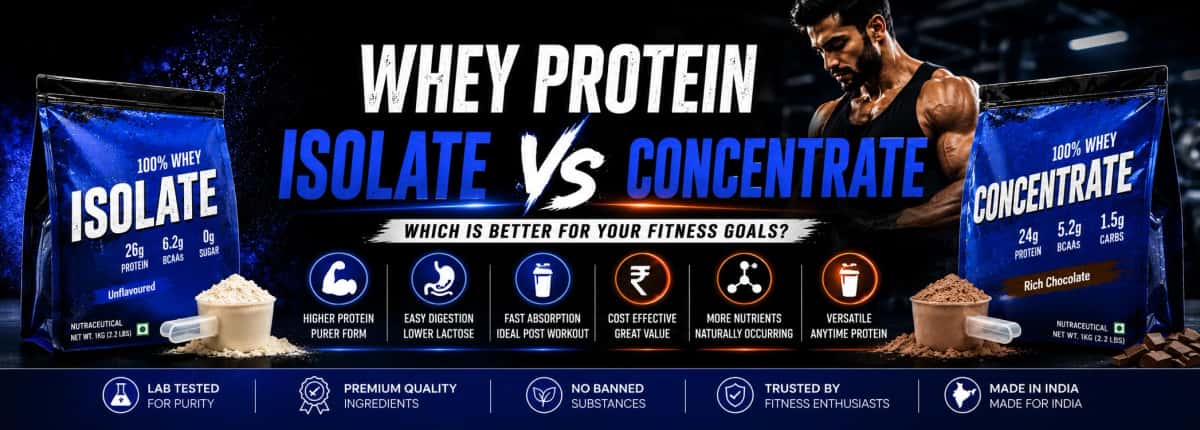
Whey Protein Isolate vs Whey Protein Concentrate
This is perhaps the most common comparison in sports nutrition.
Many consumers assume isolate is automatically superior.
The reality is more nuanced.
Whey Protein Concentrate
Whey concentrate undergoes filtration but retains more naturally occurring carbohydrates and fats.
Characteristics include:
- High-quality protein
- Balanced nutritional profile
- Typically lower cost
- Contains more lactose than isolate
Whey Protein Isolate
Whey isolate undergoes additional filtration.
Characteristics include:
- Higher protein concentration
- Lower lactose content
- Lower fat content
- Lower carbohydrate content
Which One Should You Choose?
For many individuals, both options can support fitness goals effectively.
However, whey protein isolate is often preferred by people who:
- Prioritize lean muscle development
- Monitor calorie intake closely
- Want higher protein concentration per serving
- Prefer lower lactose content
Meanwhile, whey concentrate remains a popular choice for individuals seeking a versatile protein supplement that supports overall muscle-building goals.
The best option depends on your objectives rather than a universal "better" or "worse" classification.
Whey Protein Isolate vs Hydrolyzed Whey Protein
Another comparison buyers frequently encounter is isolate versus hydrolyzed whey.
Hydrolyzed whey protein undergoes an additional process known as hydrolysis, which partially breaks down protein into smaller peptides.
The purpose of this process is to accelerate digestion and absorption.
However, for most gym-goers and fitness enthusiasts, whey protein isolate already provides an excellent balance of:
- Protein quality
- Digestibility
- Convenience
- Cost-effectiveness
This is why isolate continues to dominate the sports nutrition market globally.
Why Whey Protein Isolate Has Become So Popular in India
The Indian fitness industry has evolved dramatically over the past decade.
Today, awareness around nutrition is higher than ever before.
Consumers increasingly understand that training alone is not enough.
Results are influenced by:
- Protein intake
- Calorie intake
- Recovery
- Sleep
- Consistency
As a result, more individuals are actively searching for:
- Best whey protein isolate in India
- Buy whey protein isolate online
- Whey protein for muscle gain
- Whey protein for recovery
- High protein supplements
This growing awareness has transformed whey protein isolate from a niche bodybuilding product into a mainstream sports nutrition supplement used by athletes, working professionals, students, and fitness enthusiasts alike.
At Gibbon Nutrition, this shift is reflected in the increasing demand for premium whey protein products that combine convenience, quality, and performance-focused nutrition.
Benefits of Whey Protein Isolate: Why It Remains a Popular Choice
Whey protein isolate has earned its place in sports nutrition because it offers more than convenience. Its amino acid profile, protein concentration, and versatility make it a practical option for a wide range of fitness goals.
It's important to understand that protein supplements do not create results on their own. Progress comes from the combination of proper nutrition, consistent training, recovery, and lifestyle habits. Whey protein isolate simply helps support those efforts by making high-quality protein more accessible.
Let's look at where it can fit into a fitness routine.
Whey Protein Isolate for Muscle Gain
One of the primary reasons people buy whey protein isolate is to support muscle-building goals.
Resistance training places stress on muscle fibers. During recovery, the body repairs and adapts to that stress. Protein provides the amino acids needed for these repair processes.
Scientific research has consistently shown that consuming adequate dietary protein alongside resistance training supports increases in muscle mass and strength over time.
This is why whey protein for muscle gain remains one of the most common supplementation strategies among gym-goers.
However, a common misconception needs to be addressed.
Protein Does Not Build Muscle by Itself
Many beginners assume that buying the best whey protein isolate in India will automatically result in muscle growth.
In reality, muscle development depends on several factors:
- Progressive resistance training
- Sufficient calorie intake
- Adequate protein intake
- Recovery
- Sleep quality
- Long-term consistency
Whey protein isolate is simply a tool that helps support protein intake within that larger framework.
Why Leucine Matters
Among the essential amino acids found in whey protein, leucine receives significant attention in sports nutrition research.
Leucine is a branched-chain amino acid (BCAA) that plays an important role in signaling pathways associated with muscle protein synthesis.
Because whey protein naturally contains leucine, it is frequently used in post-workout nutrition strategies designed to support recovery and adaptation.
This is one of the reasons whey protein continues to be favored by both recreational lifters and competitive athletes.
Whey Protein Isolate for Recovery
Training is only one side of the equation.
Recovery is where progress actually happens.
Every workout creates a physiological demand on the body. Proper recovery allows the body to adapt, rebuild, and prepare for future training sessions.
Protein intake is an important component of this recovery process.
This explains why whey protein for recovery has become a standard part of many athletes' nutritional routines.
Recovery Is More Than Soreness
Many people judge recovery based solely on whether they feel sore the next day.
In reality, recovery involves:
- Muscle tissue repair
- Glycogen restoration
- Adaptation to training stress
- Readiness for future workouts
A well-structured recovery strategy includes:
- Adequate sleep
- Hydration
- Balanced nutrition
- Sufficient protein intake
Whey protein isolate can be a convenient way to support the protein portion of that equation.
Whey Protein Isolate for Beginners
If you're new to fitness, supplement shopping can feel overwhelming.
The market is filled with technical terminology, influencer recommendations, and conflicting opinions.
The good news is that beginners don't need an advanced supplement stack to get started.
In many cases, focusing on fundamentals produces the best results.
These fundamentals include:
- Consistent training
- Balanced nutrition
- Adequate sleep
- Meeting protein requirements
For beginners who struggle to consume enough protein through food alone, whey protein isolate can be a practical addition to their routine.
Common Beginner Mistakes
Many first-time buyers make the same errors.
Buying Based on Hype
A product should be selected based on goals and nutritional needs, not popularity alone.
Ignoring Daily Diet
No protein supplement can compensate for a poor overall diet.
Expecting Rapid Transformation
Results take time.
The most successful fitness journeys are built through consistency rather than shortcuts.
Choosing Products Without Understanding Labels
Learning how to read a nutrition label is often more valuable than memorizing brand names.
Whey Protein for Men and Women
One of the biggest myths in the supplement industry is that whey protein is primarily a men's product.
Protein requirements exist regardless of gender.
Men and women both require protein for:
- Tissue maintenance
- Recovery
- Physical activity
- Muscle health
- Overall nutritional balance
The difference is not whether protein is needed but how much protein may be required based on factors such as:
- Body weight
- Activity level
- Fitness goals
- Training volume
Whey Protein for Women
Many women avoid protein supplements because they worry about becoming excessively muscular.
This concern is largely driven by misconceptions.
Building substantial muscle mass requires:
- Structured resistance training
- Long-term consistency
- Specific nutritional strategies
For most women, whey protein serves as a convenient way to support daily protein intake and fitness goals.
Whey Protein for Men
Men often use whey protein as part of:
- Strength training programs
- Muscle-building phases
- Recovery-focused nutrition plans
Again, the protein itself is not the deciding factor in results. Overall training and nutrition habits remain the most important variables.
How Much Protein Do You Actually Need?
This is one of the most searched questions in sports nutrition.
The answer depends on several factors.
General Population
Protein requirements for sedentary individuals differ significantly from those of active individuals.
Active Individuals
According to position stands published by the International Society of Sports Nutrition (ISSN), physically active individuals generally benefit from higher protein intakes than sedentary populations.
Requirements may vary depending on:
- Training intensity
- Exercise frequency
- Body composition goals
- Athletic demands
This is why athletes, gym-goers, and individuals following structured fitness programs often pay closer attention to daily protein consumption.
Why Meeting Protein Targets Can Be Difficult
Many people assume they consume enough protein until they begin tracking their intake.
Common challenges include:
- Skipping meals
- Busy work schedules
- Limited meal preparation time
- Inconsistent eating habits
A high protein supplement can help bridge these gaps when used appropriately within a balanced diet.
Can You Get Enough Protein From Food Alone?
Yes.
It is entirely possible to meet protein requirements through whole-food sources.
Examples include:
- Dairy products
- Eggs
- Fish
- Poultry
- Lean meats
- Soy products
- Legumes
However, practicality matters.
Preparing multiple high-protein meals every day is not always realistic for everyone.
This is one reason whey protein powder continues to be popular among:
- Working professionals
- Students
- Athletes
- Frequent travelers
- Busy parents
The convenience factor should not be underestimated.
When Should You Take Whey Protein?
One of the most debated topics in fitness nutrition is protein timing.
While many people associate whey protein with post-workout consumption, the broader scientific consensus suggests that total daily protein intake is often more important than obsessing over precise timing.
That said, whey protein is commonly consumed:
After Workouts
To conveniently increase protein intake following training.
Between Meals
To help maintain protein intake throughout the day.
At Breakfast
Many people struggle to consume adequate protein early in the day.
A protein shake can help increase morning protein intake.
During Busy Schedules
When preparing a full meal is not practical.
The most effective strategy is the one that helps you consistently meet your nutritional goals.
Is Whey Protein Isolate Worth It?
The answer depends on your circumstances.
If you can consistently meet your protein requirements through food alone, supplementation may be less important.
However, if you:
- Train regularly
- Have higher protein requirements
- Struggle to consume enough protein
- Prefer convenient nutrition solutions
- Want a high-protein supplement with lower lactose content
then whey protein isolate may be a valuable addition to your routine.
Its popularity is not simply the result of marketing trends. It is largely driven by convenience, nutritional quality, and the ability to support a variety of fitness goals.
At Gibbon Nutrition, many customers choose whey protein isolate because it fits seamlessly into their daily routines while supporting muscle gain, recovery, and long-term fitness consistency.
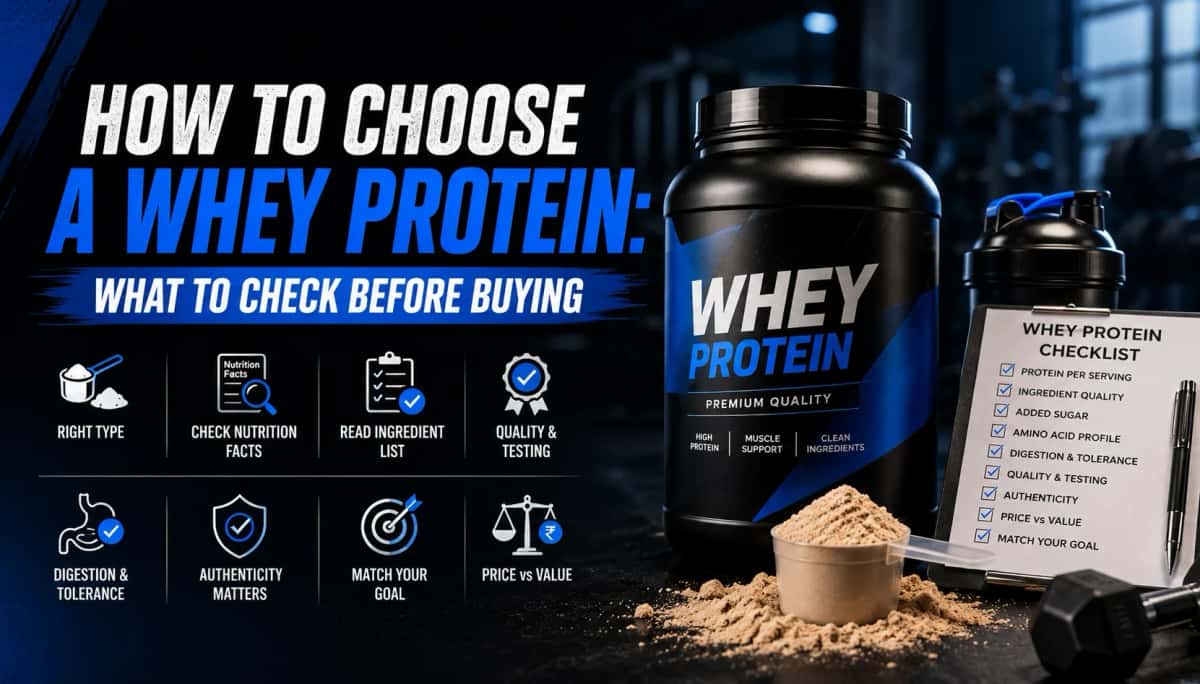
How to Choose the Best Whey Protein Isolate in India
Many consumers decide to buy whey protein isolate based solely on brand popularity or influencer recommendations. While these factors may influence awareness, the better approach is to evaluate protein quality, ingredient transparency, nutritional profile, and how well the product aligns with your specific training goals.
With countless options available online, selecting the right whey protein isolate can quickly become overwhelming. Attractive packaging and bold marketing claims often make products look similar, but a closer examination usually reveals significant differences.
Instead of choosing a product based solely on popularity or price, focus on a few practical evaluation criteria.
1. Check the Protein Source
One of the first things you should look for is the type of protein used.
Common options include:
- Whey Protein Concentrate
- Whey Protein Isolate
- Hydrolyzed Whey Protein
- Protein Blends
If your primary objective is maximizing protein intake while minimizing additional carbohydrates and fats, whey protein isolate is often the preferred option.
2. Evaluate Protein Per Serving
Don't just look at the size of the scoop.
Instead, examine:
- Total serving size
- Actual protein content
- Number of servings per container
A larger scoop does not automatically mean more protein.
3. Review the Ingredient List
A transparent ingredient list often indicates a transparent brand.
Look for:
- Clearly identified protein sources
- Flavoring information
- Sweeteners used
- Allergen declarations
Understanding what you're consuming is just as important as understanding how much protein you're consuming.
4. Consider Your Fitness Goal
The best whey protein isolate in India is not necessarily the most expensive one.
The right choice depends on your objective.
For Muscle Gain
Prioritize:
- Protein quality
- Consistency of intake
- Overall nutrition
For Recovery
Focus on:
- Daily protein requirements
- Training volume
- Recovery habits
For General Fitness
Convenience and adherence may matter more than advanced formulation differences.
5. Choose a Brand You Trust
Supplement quality begins with trust.
Brands that emphasize transparency, education, and product clarity often make the buying process much easier for consumers.
This is one reason many fitness enthusiasts choose Gibbon Nutrition when looking for sports nutrition supplements that align with their training goals.
How to Read a Whey Protein Label
Many consumers spend more time comparing flavors than reading nutrition labels.
Unfortunately, this often leads to poor buying decisions.
Here's a simple framework.
Step 1: Check Protein Content
This tells you how much protein you're getting in each serving.
Step 2: Examine Serving Size
Two products may advertise similar protein levels but use very different serving sizes.
Always compare both numbers.
Step 3: Review Carbohydrates and Fat
Depending on your goals, these values may influence your decision.
Step 4: Read the Ingredient List
Ingredients are typically listed in descending order by weight.
This helps identify the primary components of the formulation.
Step 5: Understand Allergens
Individuals with dairy sensitivities should always review allergen declarations carefully.
Red Flags to Avoid When Buying Whey Protein Online
If you're planning to buy whey protein online, watch out for these common warning signs.
Unrealistic Claims
Avoid products that promise:
- Instant muscle gain
- Extreme transformations
- Guaranteed results
No supplement can replace consistent effort.
Lack of Transparency
Be cautious if a brand does not clearly disclose:
- Ingredients
- Nutritional values
- Product information
Buying Solely on Price
The cheapest option is not always the best value.
Similarly, the most expensive option is not automatically superior.
Ignoring Your Actual Needs
A supplement should solve a nutritional need, not simply follow a trend.
Whey Protein Myths vs Facts
The supplement industry is full of myths. Let's separate fact from fiction.
Myth: Whey Protein Is a Steroid
Fact: Whey protein is a dietary protein source derived from milk. It is not a steroid.
Myth: More Protein Means Faster Muscle Growth
Fact: Muscle growth depends on training, recovery, nutrition, and consistency—not protein intake alone.
Myth: Whey Protein Is Only for Bodybuilders
Fact: Whey protein is used by athletes, fitness enthusiasts, recreational exercisers, and individuals seeking convenient protein intake.
Myth: Whey Protein Replaces Food
Fact: Protein supplements are designed to supplement a balanced diet, not replace whole-food nutrition.
Myth: Beginners Should Avoid Supplements
Fact: Beginners can use whey protein as a practical way to support daily protein intake when needed.
Why Gibbon Nutrition?
Choosing a whey protein supplement is ultimately about confidence.
You want to know that the product you choose aligns with your goals and supports your efforts both inside and outside the gym.
At Gibbon Nutrition, the focus extends beyond simply offering protein supplements. The brand is built around supporting fitness enthusiasts through quality sports nutrition products designed for different training objectives.
Whether you're looking to:
- Buy whey protein isolate
- Improve recovery
- Support muscle-building goals
- Increase daily protein intake
- Explore sports nutrition supplements
the goal should always be selecting products that fit your individual requirements.
Rather than chasing trends, successful fitness journeys are built through consistency, education, and informed decision-making.
That philosophy sits at the core of Gibbon Nutrition's approach to sports nutrition.
Conclusion: Finding the Best Whey Protein Isolate in India
Choosing the best whey protein isolate in India is not about finding a product with the loudest marketing message. It's about selecting a protein supplement that supports your goals, fits your lifestyle, and helps you maintain nutritional consistency over time.
Whether you're aiming to build lean muscle, improve recovery, increase daily protein intake, or simply make smarter nutrition choices, whey protein isolate remains one of the most practical and researched options available today.
Before you buy whey protein isolate or buy whey protein online, take the time to evaluate ingredient transparency, protein quality, nutritional profile, and overall suitability for your individual goals. A well-informed purchase decision is far more valuable than choosing a product based purely on marketing claims.
At Gibbon Nutrition, we believe that long-term fitness success comes from combining informed decisions with consistent effort. Our whey protein collection is designed to support athletes, beginners, and fitness enthusiasts who want reliable nutrition without unnecessary complexity.
If you're ready to take the next step in your fitness journey, explore our range of whey protein products and choose the option that best aligns with your goals.
Ready to Buy Whey Protein Isolate Online?
Explore the Gibbon Nutrition Whey Protein Collection and discover premium whey protein isolate formulations designed to support muscle gain, recovery, and daily protein intake. Whether you're a beginner or an experienced athlete, you can buy whey protein isolate online with confidence and choose a product that aligns with your fitness goals.
Frequently Asked Questions
What is whey protein isolate?
Whey protein isolate is a highly filtered form of whey protein that generally contains a higher percentage of protein and lower amounts of fat, carbohydrates, and lactose than whey concentrate.
Is whey protein isolate good for muscle gain?
Protein plays an important role in muscle repair and muscle protein synthesis when combined with resistance training and adequate nutrition.
Is whey protein isolate suitable for beginners?
Yes. Many beginners use whey protein isolate to help increase daily protein intake.
What is the difference between whey isolate and whey concentrate?
Whey isolate undergoes additional filtration that typically increases protein concentration and reduces fat, carbohydrates, and lactose.
Can women use whey protein isolate?
Absolutely. Protein requirements apply to both men and women.
Is whey protein isolate safe?
For healthy individuals, whey protein is generally considered safe when consumed appropriately as part of a balanced diet.
Does whey protein help with recovery?
Protein contributes to recovery processes following exercise and is commonly included in post-workout nutrition strategies.
Can I take whey protein every day?
Many individuals include whey protein as part of their daily nutrition plan.
What is the best time to take whey protein?
Common times include post-workout, between meals, or whenever additional protein intake is needed.
Can whey protein replace meals?
No. Whey protein should complement a balanced diet rather than replace whole-food meals.
How much protein do active individuals need?
Protein requirements vary based on activity level, body weight, training intensity, and goals.
What should I look for when buying whey protein online?
Focus on protein source, ingredient transparency, nutritional profile, and brand credibility.
Is whey isolate better than hydrolyzed whey?
Neither is universally better. The choice depends on individual goals, preferences, and budget.
Can whey protein help me meet my daily protein target?
Yes. Many people use whey protein supplements to help bridge protein intake gaps.
Why is whey protein isolate so popular?
Its combination of protein quality, amino acid profile, convenience, and versatility makes it one of the most widely used sports nutrition supplements worldwide.
Scientific References
The following authoritative sources informed the educational information presented in this guide:
- International Society of Sports Nutrition (ISSN) Position Stand: Protein and Exercise
- International Society of Sports Nutrition Position Stand: Protein and Exercise (Updated Review)
- National Institutes of Health (NIH) – Protein and Exercise Research
- NIH Research on Whey Protein and Muscle Protein Synthesis
- PubMed Research: Effects of Protein Supplementation Combined with Resistance Training
- Journal of the International Society of Sports Nutrition